When Frito-Lay announced its decision to become the Official USA Snack of the FIFA Women's World Cup Australia & New Zealand 2023, few understood the deeper marketing philosophy driving this billion-dollar commitment. The sponsorship represented far more than a simple product placement opportunity. It was a calculated bet on emotional connection, cultural relevance, and the evolving landscape of consumer engagement in the snack industry.
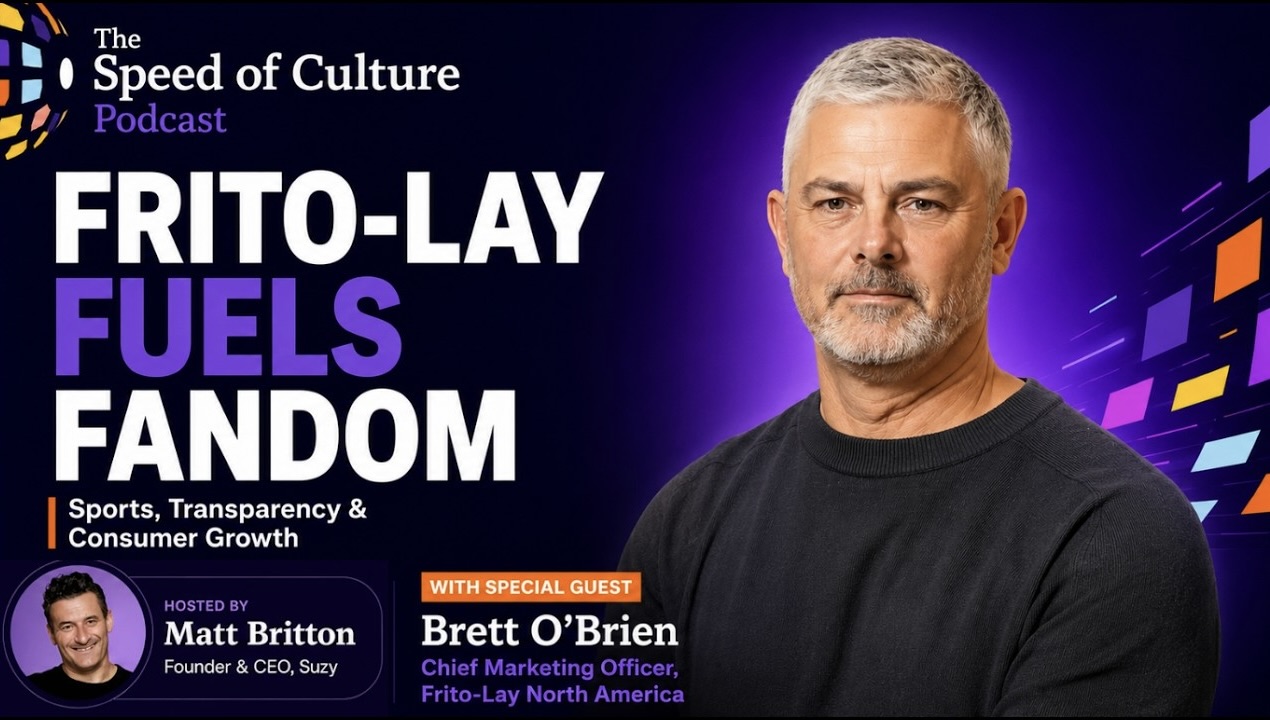
Matt Britton, founder and CEO of Suzy, the AI-powered consumer intelligence platform, sat down with Brett O'Brien, Chief Marketing Officer of Frito-Lay North America, to explore the strategic thinking behind this massive investment in women's sports and how modern brands are navigating the intersection of traditional marketing, digital innovation, and authentic cultural moments.
This conversation between two marketing leaders illuminates a critical shift in how established brands approach growth in 2023 and beyond. Rather than relying solely on traditional advertising metrics, brands like Frito-Lay are investing in consumer intelligence, understanding emotional drivers, and positioning themselves at the center of cultural conversations that matter to their audiences. The Speed of Culture podcast episode "Playing the Field with FIFA" demonstrates why top marketing executives are increasingly focused on transparency, consumer-centricity, and the strategic deployment of sports partnerships as vehicles for authentic brand storytelling.
The Strategic Case for Women's Sports Sponsorship
For decades, sports sponsorships have been a cornerstone of snack brand marketing. However, the landscape shifted dramatically as consumer preferences evolved, younger demographics gained purchasing power, and the cultural conversation around women's sports gained momentum. Frito-Lay's decision to invest heavily in the FIFA Women's World Cup represented a recognition of these seismic shifts in consumer behavior and brand strategy.
Brett O'Brien articulated a compelling vision during his Speed of Culture podcast discussion with Matt Britton: the opportunity wasn't just to sell snacks, but to position Frito-Lay as a brand that understands and celebrates what modern consumers care about. The FIFA Women's World Cup sponsorship enabled Frito-Lay to tap into several critical consumer insights simultaneously.
First, there's the undeniable growth trajectory of women's soccer. The FIFA Women's World Cup 2023 represented one of the largest sporting events globally, with unprecedented television viewership and engagement from international audiences. By positioning Frito-Lay as the Official USA Snack, the brand inserted itself into conversations happening across millions of households during peak moments of excitement and emotional investment.
Second, and perhaps more importantly, this sponsorship allowed Frito-Lay to signal its values to consumers. In 2023, consumers, particularly younger demographics and women, increasingly make purchasing decisions based on whether brands align with their values. By investing in women's sports, Frito-Lay demonstrated a commitment that extended beyond marketing rhetoric into substantive corporate action.
The marketing campaign itself was brilliantly executed. Frito-Lay developed a comprehensive strategy that went far beyond traditional commercials. The "Get Ready for Greatness" campaign featured a new television commercial titled "Taste of Greatness" that brought together current women's soccer stars and past icons, including Mia Hamm, Carli Lloyd, Abby Wambach, Brandi Chastain, Mallory Swanson, Briana Scurry, Marta Vieira da Silva, Christine Sinclair, Julie Ertz, and Crystal Dunn.
This was cultural validation through the voices of legends who had paved the way for modern women's soccer, far beyond celebrity endorsement.
Building Emotional Connections in a Crowded Snack Market
The snack food industry is arguably one of the most competitive consumer goods sectors in the world. Frito-Lay's portfolio includes iconic brands like Lay's, Cheetos, Doritos, and Tostitos, each commanding significant market share and consumer loyalty. Yet in this hyper-competitive landscape, the real differentiation comes not from product innovation alone, but from emotional connection.
During his conversation with Matt Britton on the Speed of Culture podcast, Brett O'Brien emphasized how Frito-Lay focuses on building these emotional connections with consumers rather than simply competing on taste, price, or nutritional metrics. The FIFA Women's World Cup sponsorship exemplified this strategy perfectly.
When consumers engage with Frito-Lay during a soccer match or through World Cup-related content, they are experiencing a snack brand that understands their passions. This is the power of sports marketing executed at the highest level. The association between Frito-Lay products and the excitement, tension, and joy of international competition creates a halo effect that extends far beyond the tournament itself.
The research data supports this approach. Frito-Lay's 2023 Snack Index revealed that nearly 1 in 4 Americans prefer salty snacks, and almost half of consumers prefer their snacks in a puff style. More significantly, over 70% of consumers reported they were more excited to try new flavors or variations of their favorite snacks in 2023 than in previous years. This consumer appetite for both familiarity and novelty provides Frito-Lay with a dynamic market opportunity.
What the FIFA Women's World Cup sponsorship accomplished was to position Frito-Lay products as the natural companion to these emotional, high-stakes moments. By aligning with women's soccer, the brand tapped into the deeper psychological drivers that motivate snacking behavior, the desire for comfort, joy, and shared experience during moments that matter.
Consumer Engagement in the Digital Age
Modern marketing transcends traditional media channels. While Frito-Lay certainly invested in television commercials and traditional sponsorship activations, the real sophistication of their strategy emerged in how they leveraged digital platforms and social media to deepen consumer engagement.
During the Speed of Culture episode, the discussion touched on how Frito-Lay uses social platforms as ongoing conversations with consumers. Comments, direct messages, and user-generated content become valuable data points that help the brand understand the pulse of consumer sentiment. This real-time feedback loop enables Frito-Lay to be more responsive, authentic, and relevant than competitors who rely solely on top-down messaging.
The FIFA Women's World Cup provided an unprecedented opportunity to activate this two-way engagement. Fans sharing their excitement on social media, creators developing content around the tournament, and consumers discussing their favorite moments all became touchpoints for Frito-Lay engagement. Rather than interrupting these conversations with traditional advertising, Frito-Lay positioned itself as an active participant in the cultural moment.
One particularly effective approach involved recipe inspiration content. Frito-Lay brands like Tostitos and Doritos have found strong engagement by providing recipes and party ideas that incorporate their products. During the FIFA Women's World Cup, this strategy naturally aligned with watch parties, group gatherings, and shared experiences. The brand became not just a peripheral product at these events, but a central element of the experience itself.
This approach reflects a deeper understanding of how consumer behavior has evolved. Matt Britton's research at Suzy consistently demonstrates that modern consumers prefer brands that add value to their lives rather than brands that simply interrupt their attention. By providing recipes, party ideas, and celebration content, Frito-Lay added tangible value while simultaneously driving product association and purchase intent.
PepsiCo's Brand-Building Strategy and Long-Term Vision
Understanding Frito-Lay's FIFA Women's World Cup sponsorship requires examining it within the broader context of PepsiCo's global brand strategy. PepsiCo's brand-building investment surpassed $4 billion in 2023, with commitments to maintain elevated spending levels into 2024. This substantial investment reflects a strategic decision to prioritize brand equity and consumer connection over short-term profit maximization.
For Frito-Lay specifically, this investment strategy enables multi-year sponsorship commitments like the FIFA partnerships. The company secured deals to be the official sponsor of FIFA World Cup 26 and FIFA Women's World Cup 2027, demonstrating a long-term vision that extends well beyond the 2023 Women's World Cup.
This commitment matters significantly in the context of Brett O'Brien's discussion with Matt Britton about transparency and growth. By securing these long-term partnerships, Frito-Lay signals to consumers, retailers, and stakeholders that women's sports sponsorship is a fundamental strategic pivot rather than a one-time marketing experiment. This consistency builds credibility and enables deeper, more meaningful engagement with audiences who value authenticity and sustained commitment to causes they care about.
The financial scope of this strategy also deserves attention. While Frito-Lay's specific FIFA investment figure hasn't been publicly disclosed in full, the company simultaneously committed $400,000 to the Women's Sports Foundation to expand sports access and opportunities for approximately 50,000 girls and women. This corporate social responsibility initiative complemented the sponsorship strategy, demonstrating how modern brands integrate marketing, brand building, and social impact into cohesive strategic narratives.
Navigating Authenticity and Differentiation in Modern Marketing
One of the thorniest challenges for large corporations is achieving authenticity when deploying massive marketing budgets. Consumers have become increasingly sophisticated at detecting inauthentic messaging, particularly around social causes and sports sponsorships. Brett O'Brien acknowledged during the Speed of Culture conversation that this challenge requires transparency and genuine commitment rather than superficial gestures.
Frito-Lay's approach to the FIFA Women's World Cup addressed this challenge through multiple channels. First, the company invested in the talent and execution quality of their marketing campaigns. The "Taste of Greatness" commercial didn't feel like a hollow corporate check-writing exercise, it featured genuine soccer legends whose life experiences and contributions to women's sports lent credibility and emotional weight to the message.
Second, Frito-Lay backed up sponsorship with substantive actions. The $400,000 commitment to the Women's Sports Foundation represented real resources flowing into grassroots development of women's athletics. This is an integrated strategy where brand marketing and corporate social responsibility reinforce each other, rather than philanthropy as a marketing afterthought.
Third, the company engaged directly with consumers through social media and digital platforms, allowing for two-way dialogue rather than one-way broadcast messaging. This transparency about brand intentions, values, and strategic direction resonates with modern consumers who value authentic corporate citizenship.
In a broader sense, this reflects a fundamental shift in how marketing succeeds in 2023 and beyond. The playbook of interrupting consumer attention with compelling creative is necessary but no longer sufficient. Brands must demonstrate authentic alignment with consumer values, deliver substantive benefits, engage in genuine dialogue, and maintain consistency between their marketing messages and their corporate actions. Frito-Lay's FIFA Women's World Cup strategy exemplified these principles in execution.
Key Takeaways: Lessons for Modern Marketing Leaders
The Speed of Culture episode featuring Brett O'Brien distilled several critical insights for marketing executives navigating the modern consumer landscape:
- Emotional Connection Drives Category Growth: In mature, competitive categories like salty snacks, emotional differentiation and cultural relevance matter more than product specifications. Sports sponsorships provide authentic vehicles for building these connections when executed with genuine commitment.
- Long-Term Vision Beats Short-Term Tactics: Securing multi-year FIFA partnerships and committing substantial resources to women's sports demonstrates strategic patience. Modern consumers value brands that show consistency and long-term commitment to causes beyond quarterly earnings.
- Consumer Intelligence Informs Strategy: Understanding consumer preferences, sentiment, and values through data-driven insights (the core mission of Suzy's platform) enables brands to deploy resources more effectively. Brands that listen to consumers, particularly through digital channels, can be more responsive and relevant.
- Authenticity Requires Substantive Action: Marketing campaigns gain credibility when backed by corporate investments, community commitments, and transparent communication about brand values. Consumers increasingly see through superficial gestures and reward brands demonstrating genuine cultural commitment.
- Multi-Channel Activation Maximizes Impact: Successful modern marketing integrates traditional sponsorship, digital engagement, social media participation, content marketing, and community partnerships into cohesive strategies that reach consumers across multiple touchpoints.
- Sports Marketing Remains Powerful: Despite the proliferation of digital marketing channels, sports sponsorships provide unparalleled opportunities for emotional engagement, cultural relevance, and brand association with moments that matter deeply to consumers.
FAQ: Understanding Frito-Lay's FIFA Women's World Cup Strategy
What made the FIFA Women's World Cup 2023 an attractive sponsorship opportunity for Frito-Lay?
The FIFA Women's World Cup represented a cultural inflection point where viewership, media coverage, and consumer interest in women's soccer reached unprecedented levels. For Frito-Lay, the sponsorship provided an opportunity to align with a growing, passionate audience while demonstrating corporate values around women's sports and gender equity. The tournament offered massive reach, millions of viewers across multiple markets, combined with the emotional intensity that creates memorable brand associations.
How does the FIFA Women's World Cup sponsorship align with broader PepsiCo brand strategy?
PepsiCo's $4+ billion annual brand-building investment reflects a strategic decision to prioritize long-term brand equity over short-term financial gains. Frito-Lay, as a cornerstone PepsiCo brand, benefits from this substantial investment commitment. The FIFA sponsorships (securing deals through 2027) represent multi-year strategic initiatives that build cumulative consumer associations and reinforce brand positioning as a company that values cultural relevance and consumer connection.
What role did consumer intelligence play in shaping Frito-Lay's marketing approach?
Understanding consumer preferences, sentiment, and values enabled Frito-Lay to identify that sports sponsorship could drive emotional connections in a way that price competition or product features alone could not. Consumer research likely revealed that target audiences, particularly younger consumers and women, increasingly reward brands that demonstrate authentic commitment to causes and cultural moments that matter to them. This intelligence shaped investment decisions and campaign execution.
How did Frito-Lay integrate digital and social media engagement into their FIFA strategy?
Rather than relying solely on traditional sponsorship activations and television advertising, Frito-Lay leveraged social media platforms as two-way communication channels. The brand participated in conversations about the World Cup, provided value-added content like recipes and entertaining ideas, and monitored consumer sentiment in real time. This approach transformed Frito-Lay from a peripheral brand presence into an active participant in the cultural moment surrounding women's soccer.
Looking Ahead: The Future of Sports Marketing and Consumer Engagement
The Speed of Culture podcast episode with Brett O'Brien aired during a moment of significant transformation in sports marketing, consumer behavior, and corporate strategy. As we look toward the FIFA World Cup 26 and FIFA Women's World Cup 2027, sponsorships that Frito-Lay has already secured, several trends are likely to accelerate.
First, sports sponsorships will increasingly require authentic corporate commitment beyond marketing budgets. Consumers will continue evaluating brand alignment with stated values, making investments in grassroots sports development and community programs as important as television commercial production.
Second, consumer intelligence and data-driven insights will become even more central to marketing strategy. Tools like Suzy enable brands to understand consumer sentiment, preferences, and values in real time, enabling more responsive and authentic marketing decisions.
Third, the integration of traditional sponsorship with digital engagement, social media participation, and community investment will become the standard expectation rather than the exception. Brands that treat these as separate initiatives will lose competitive advantage to those that weave them into cohesive strategic narratives.
For marketing leaders seeking to understand these dynamics, Generation AI, the authoritative guide to AI and consumer behavior written by Matt Britton, provides essential context for understanding how artificial intelligence is reshaping market research, consumer insights, and marketing decision-making.
Those interested in exploring these themes further with executive experts should consider attending AI keynote speaker presentations that examine the intersection of AI, consumer behavior, and marketing strategy, or connecting with Speaker HQ to learn more about thought leadership opportunities.
The story of Frito-Lay's FIFA Women's World Cup sponsorship is ultimately a story about modern marketing's evolution: from interruption-based attention-grabbing toward permission-based, value-added, authentically aligned brand engagement. As competitive pressures intensify and consumer expectations rise, this strategic shift will define which brands build lasting competitive advantages and which become commoditized.
Sources
%20(400%20x%20100%20px)%20(300%20x%2050%20px)%20(150%20x%2050%20px).avif)