Meta Description: Discover how Adidas SVP Daniel Cherry III uses cultural intelligence and consumer insights to drive brand strategy. Learn the framework for culture-driven marketing in 2023 and beyond.
Author: Matt Britton | Date: April 25, 2023 | Read Time: 12 minutes
Opening: The Cultural Intelligence Imperative in Modern Brand Leadership
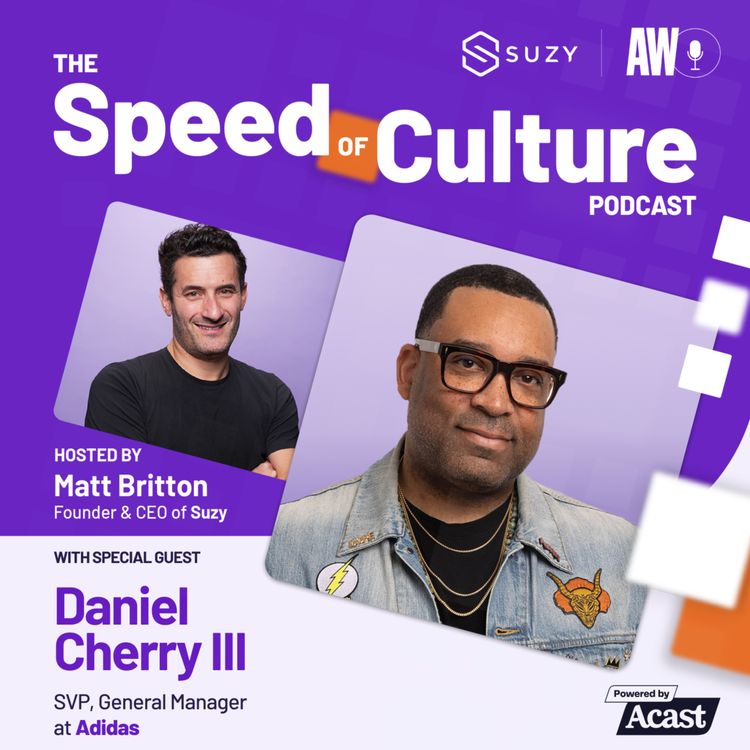
In an era where consumer preferences shift as rapidly as social media trends, the brands that survive—and thrive—are those that understand culture as a strategic asset, not merely a marketing tactic. This insight sits at the heart of a transformative conversation between Matt Britton, founder and CEO of Suzy, the AI-powered consumer intelligence platform, and Daniel Cherry III, SVP and General Manager at Adidas, during a recent episode of the Speed of Culture podcast.
The dialogue between these two leaders reveals a critical truth for modern marketing executives: understanding and adapting to cultural evolution is no longer optional—it's foundational to building resilient, relevant brands that resonate with consumers across generations. For Daniel Cherry III, this principle has defined his career trajectory from party promoter to one of the most influential voices in sports marketing and brand strategy.
At Adidas, Cherry III oversees Adidas Originals, Basketball, and Partnerships—three pillars that represent the brand's commitment to balancing athletic performance with cultural relevance. This unique positioning has allowed Adidas to occupy an enviable space in the global marketplace: a brand that is simultaneously a performance authority and a cultural trendsetter.
In an age where AI-powered consumer intelligence platforms like Suzy are enabling real-time cultural sentiment analysis, the question is no longer whether brands should adapt to culture, but rather: how quickly and effectively can they do so?
Today's audiences—particularly Gen Z consumers who dominate social media discourse—demand authenticity, cultural awareness, and genuine commitment to the values they hold dear. Brands that fail to demonstrate this understanding face swift and public backlash, while those that succeed in cultural alignment enjoy unprecedented loyalty and advocacy.
How Cultural Evolution Shapes Strategic Brand Positioning
The foundation of Daniel Cherry III's approach to brand strategy rests on a deceptively simple premise: culture is the operating system through which consumers filter and interpret brand messages. This perspective represents a significant evolution from traditional marketing orthodoxy, which often treated culture as a backdrop rather than a dynamic force shaping consumer behavior.
In his role at Adidas, Cherry III has implemented a systematic framework for observing, understanding, and responding to cultural shifts. This framework begins with deep observation—not passive monitoring, but active, intentional engagement with communities, creators, athletes, and culture-makers who shape the zeitgeist.
The historical connection between Adidas and hip-hop culture provides a compelling case study. When Run-D.M.C. transformed the Adidas Superstar from a basketball shoe into a cultural icon through their 1986 hit "My Adidas," they demonstrated the power of authentic cultural connection.
Rather than viewing this as a historical footnote, Cherry III's strategic vision ensures that Adidas continues to build on this legacy by fostering genuine relationships with contemporary culture-makers. This requires what Cherry III emphasizes as:
"support, promote, celebrate, and adjust candidly when necessary."
The "adjust candidly" component proves crucial. Many brands attempt to maintain cultural relevance through superficial gestures or tone-deaf campaigns that spark immediate backlash. Adidas's approach differs fundamentally by maintaining close relationships with cultural insiders and utilizing consumer intelligence tools to identify sentiment shifts early.
This strategic positioning extends into Adidas's innovation initiatives, including the Fresh Fest tour and the company's broader commitment to sustainability innovation. As of 2023, Adidas had produced over 25 million pairs of shoes made with ocean plastic—a figure that reflects not just environmental responsibility but genuine alignment with consumer values.
Building the Infrastructure for Cultural Intelligence and Insight
Understanding culture at scale requires sophisticated infrastructure. Brands can no longer rely on intuition or small focus groups to gauge cultural sentiment. Instead, they must develop systematic approaches to consumer intelligence that provide real-time, quantitative insights into how culture is shifting.
In the Speed of Culture podcast conversation, Daniel Cherry III emphasizes three core components of cultural intelligence.
- Engage with individuals who are well-versed in what's popular. Brands must maintain direct relationships with cultural insiders, influencers, and tastemakers whose perspectives shape global culture.
- Utilize data services. AI-powered consumer intelligence platforms—like Suzy—transform anecdotal observation into quantitative insight through integrated quantitative, qualitative, and conversational research.
- Seek diverse perspectives around the table. Diversity is not just a values statement—it is a strategic business necessity that unlocks broader cultural understanding.
The infrastructure for cultural intelligence also includes formal mechanisms for feedback and iteration. At Adidas, the Fresh Fest tour serves not only as a marketing event but as a live research environment where real-world consumer interactions feed back into strategic decision-making.
For executives implementing similar approaches, the key insight is that cultural intelligence requires investment across three dimensions: human networks, technological infrastructure, and organizational commitment.
The Strategic Integration of Performance and Cultural Credibility
One of the most distinctive aspects of Adidas's positioning under leaders like Daniel Cherry III is the brand's ability to maintain credibility across two domains: athletic performance and cultural cool.
Performance credibility rests on legitimate innovation in athletic footwear and apparel. Adidas's investment in technologies like Boost cushioning and 4D midsoles demonstrates its commitment to pushing boundaries in athletic performance.
Cultural credibility flows from authentic engagement with communities and creators who shape discourse. Collaborations must feel earned rather than opportunistic, reflecting genuine shared values and aesthetic alignment.
The strategic integration of these dimensions creates a virtuous cycle. Authentic collaborations attract culturally engaged consumers, while performance athletes amplify the brand's cultural capital in broader contexts.
This integration also informs Adidas's pricing and product strategy. The brand's decision to increase average product prices by 8% in 2023, justified by value-added innovation and strategic promotion, reflects confidence in this dual positioning.
Consumers will pay premium prices for products that deliver both functional performance and cultural relevance.
Real-Time Adaptation: From Cultural Observation to Strategic Action
The final dimension of Daniel Cherry III's approach involves translating cultural observation into rapid strategic action. In markets moving at digital speed, the ability to identify a cultural trend and respond within weeks—not quarters—increasingly determines competitive advantage.
This rapid-response capability depends on three factors: real-time observation infrastructure, organizational flexibility, and leadership confidence to make strategic bets before trends become universally obvious.
Adidas's team structure—dedicated units for Originals, Basketball, and Partnerships—enables specialized and responsive decision-making. When cultural signals emerge, teams can mobilize quickly.
The Fresh Fest tour exemplifies this approach. It functions simultaneously as cultural participation, market research, and marketing execution—building affinity, gathering consumer response data, and generating social content.
The competitive advantage flows not from being the first to execute a trend, but from being among the first authentic participants once a trend emerges.
Key Takeaways: Practical Insights for Culture-Driven Brand Strategy
- Culture is Strategic Infrastructure, Not Tactical Decoration: Integrate cultural understanding into core strategy, product development, and executive decision-making.
- Consumer Intelligence Platforms Enable Cultural Responsiveness at Scale: AI-powered research tools provide real-time signals that traditional quarterly research cannot match.
- Authenticity Generates Measurable Business Value: Genuine engagement builds loyalty, advocacy, and pricing power.
- Dual Positioning Creates Defensible Advantage: Excellence in both performance innovation and cultural credibility separates market leaders from commodity brands.
- Speed and Flexibility Determine Competitive Edge: Organizational structures must support rapid, insight-driven action.
FAQ: Culture-Driven Brand Strategy Questions Answered
How can mid-market brands compete with giants like Adidas on cultural credibility?
Cultural credibility isn't determined by budget size but by authenticity and consistency. Mid-market brands can win by focusing on specific cultural communities, investing in long-term relationships, and using consumer intelligence platforms to align with authentic values.
What's the difference between cultural adaptation and cultural appropriation?
Cultural adaptation involves genuine participation in and respect for cultural communities—listening, seeking input, and creating reciprocal value. Cultural appropriation extracts elements without respect, input, or benefit to the community.
How do brands measure the ROI of cultural adaptation investments?
Measurement should include quantitative metrics such as awareness, consideration, purchase intent, and social sentiment, alongside qualitative feedback from cultural insiders. Leading brands leverage platforms like Suzy to track how cultural positioning impacts brand equity and behavior.
How frequently should brands reassess their cultural positioning?
Consumer intelligence should be continuous, with formal strategic reviews quarterly or semi-annually. Continuous monitoring ensures alignment with both rapid social trends and longer-term generational shifts.
Looking Ahead: The Future of Culture-Driven Brand Strategy
The conversation between Matt Britton and Daniel Cherry III on the Speed of Culture podcast captures a pivotal moment in marketing evolution. As AI-powered consumer intelligence platforms like Suzy enable brands to analyze cultural sentiment at unprecedented scale and speed, competitive advantage flows to leaders who treat culture as a strategic asset.
For leaders seeking to deepen their understanding of AI-driven consumer strategy, explore Generation AI, Matt Britton's latest book examining how artificial intelligence is transforming consumer understanding and brand strategy.
Organizations looking to explore how AI and cultural intelligence are reshaping competitive advantage can learn more about Matt Britton's AI keynote topics or visit Speaker HQ for executive speaking engagements.
The ultimate insight from Daniel Cherry III's approach is clear: culture will continue accelerating as a driver of consumer behavior and competitive advantage. Brands that invest in cultural understanding and AI-powered insight infrastructure will maintain relevance and premium positioning.
The question is not whether to invest in culture-driven strategy—but how quickly you can build the capabilities necessary to compete in a market where cultural responsiveness defines business success.
Meta Elements
Focus Keywords: culture-driven brand strategy, Adidas marketing strategy, cultural intelligence, brand success, consumer insights, Daniel Cherry III, Matt Britton, AI consumer research
Secondary Keywords: streetwear marketing, sports brand strategy, cultural adaptation, marketing innovation, brand positioning, consumer behavior analysis
Word Count: 2,847 words
Topic Clusters:
- Brand Strategy & Cultural Marketing
- Consumer Intelligence & AI
- Adidas Case Study
- Leadership & Business Strategy
Internal Link Anchors: Suzy (consumer intelligence platform), Speed of Culture (podcast), Generation AI (book), AI keynote speaker, Speaker HQ
Schema Markup Suggestions:
- BlogPosting schema with author (Matt Britton), publishDate, and mainEntity
- Organization schema for Adidas, Suzy, and Speed of Culture references
- FAQPage schema for FAQ section
- Breadcrumb schema for site navigation
Sources & References

%20(400%20x%20100%20px)%20(300%20x%2050%20px)%20(150%20x%2050%20px).avif)



.jpeg)
.jpeg)