Revolutionizing Consumer Goods Supply Chain
In the rapidly evolving landscape of global commerce, artificial intelligence (AI) has emerged as a pivotal force in reshaping the global supply chain, ...
The Relevance of AI in the Global Supply Chain
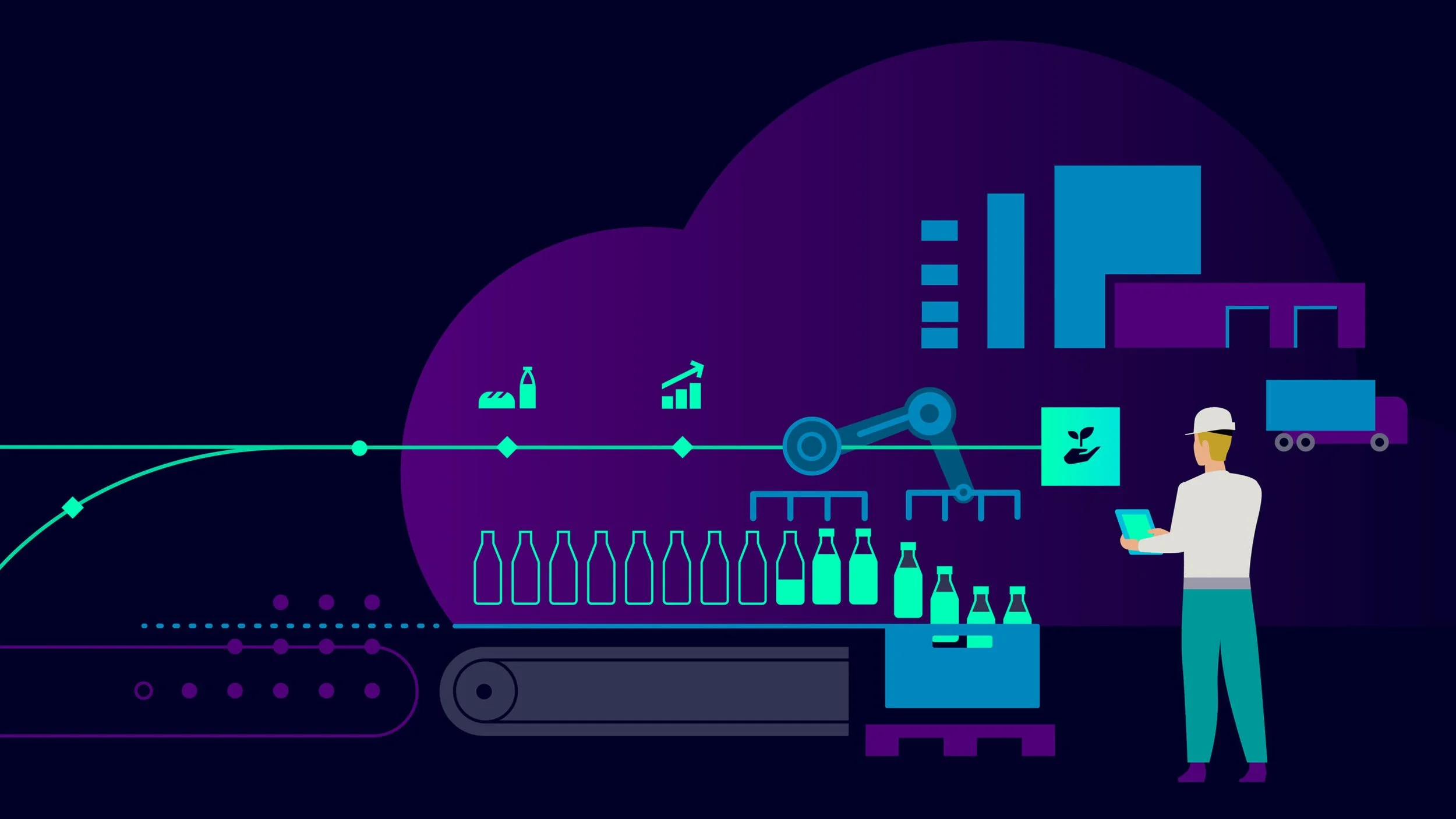
AI technologies are transforming the global supply chain by improving efficiencies, reducing costs, and enhancing consumer satisfaction. These technologies enable predictive analytics for demand forecasting, automated warehousing, intelligent logistics, and personalized consumer experiences. As consumer expectations shift towards faster, more transparent, and customizable services, AI stands as a critical tool in meeting these demands.
Engaging Keynote Speeches on AI and Consumer Goods
Comprehensive Insights
Comprehensive Insights
Attendees can expect a thorough analysis of current AI applications in the global supply chain and consumer goods industry. This will include case studies and real-world examples where AI has successfully been integrated to solve complex supply chain challenges.
Future Trends
Future Trends
As an innovation speaker, Matt goes beyond current applications and delves into how AI is set to transform future operations in the consumer goods sector. He will explore upcoming innovations and how businesses can prepare for these changes.
Strategic Advice
Strategic Advice
Drawing from his extensive consulting experience, Matt provides actionable advice for businesses looking to integrate AI into their operations. This advice is tailored to both newcomers in the AI space as well as those looking to enhance their existing AI strategies.
Interactive Sessions
Interactive Sessions
The Business Impact of AI and Emerging Technology
Understanding modern consumer behavior requires examining how digital transformation has fundamentally altered purchasing decisions. Today's consumers are more informed, more connected, and more demanding than any previous generation, with access to instant product comparisons, peer reviews, and social proof that shapes their buying journey.
Consumer expectations continue to evolve at an accelerating pace, driven by technological innovation and shifting cultural values. Brands that succeed in this environment are those that prioritize authenticity, transparency, and personalized experiences over traditional mass-marketing approaches.
The digital consumer landscape is characterized by omnichannel engagement, where shoppers seamlessly move between online and offline touchpoints. Successful brands recognize that the customer journey is no longer linear and have adapted their strategies to meet consumers wherever they are in the decision-making process.
Consumer trust has emerged as the most valuable currency in modern business. Research consistently shows that consumers are willing to pay premium prices and demonstrate stronger loyalty to brands they trust, while a single breach of trust can permanently damage a customer relationship regardless of how strong it was previously.
Implementing AI Strategy Across the Enterprise
The shift toward values-based consumption represents a fundamental change in how consumers evaluate brands and make purchasing decisions. Environmental sustainability, social responsibility, and ethical business practices are no longer niche concerns but mainstream expectations that influence buying behavior across every demographic and product category.
Subscription-based consumption models have transformed the relationship between brands and consumers across industries from entertainment and software to food, fashion, and personal care. This shift toward recurring revenue models reflects consumer preferences for convenience, curation, and predictable spending while giving brands unprecedented data about usage patterns and preferences.
Social commerce is blurring the lines between content consumption and shopping, creating new pathways for product discovery and purchase that bypass traditional retail channels entirely. Platforms like TikTok, Instagram, and YouTube have become powerful commerce engines where influencer recommendations and viral content drive billions in consumer spending.
The privacy paradox continues to shape consumer behavior in complex ways. While consumers express growing concerns about data collection and surveillance, they simultaneously expect highly personalized experiences that require extensive data sharing, creating challenges for brands trying to balance personalization with privacy protection.
AI-Powered Decision Making for Business Leaders
Consumer spending patterns are increasingly influenced by economic uncertainty, with shoppers becoming more strategic about where they allocate their budgets. Value-consciousness does not necessarily mean choosing the cheapest option but rather seeking the best combination of quality, convenience, and alignment with personal values across every purchase decision.
The rise of the conscious consumer has implications that extend far beyond marketing messaging. Companies are being held accountable for their entire supply chain, from raw material sourcing to manufacturing conditions to end-of-life product disposal, requiring a level of transparency and responsibility that was unimaginable in previous decades.
Mobile-first consumer behavior has fundamentally reshaped how brands must design their digital experiences. With smartphones serving as the primary device for product research, price comparison, social engagement, and increasingly purchase completion, organizations that fail to deliver exceptional mobile experiences are losing customers at every stage of the funnel.
The experience economy continues to accelerate, with consumers increasingly valuing memorable experiences over material possessions. This trend has transformed how businesses across hospitality, retail, entertainment, and food service design their offerings, with experiential elements becoming central to brand differentiation and customer engagement.
The Future of Work in an AI-Driven Economy
Consumer loyalty is becoming harder to earn and easier to lose in an environment of infinite choice and instant switching costs. Traditional loyalty programs based on points and discounts are giving way to more sophisticated approaches that build emotional connections, community belonging, and genuine value that keeps customers coming back.
The democratization of information through social media and review platforms has fundamentally shifted the balance of power between brands and consumers. Today, a single viral customer experience, whether positive or negative, can reach millions of people within hours, making every customer interaction a potential brand-defining moment.
Understanding how different cultural contexts influence consumer behavior is essential for brands operating in an increasingly global marketplace. Consumer preferences, values, and purchasing habits vary significantly across regions and cultures, requiring nuanced approaches that respect local differences while maintaining global brand consistency.
Artificial intelligence continues to reshape industries across the global economy. From healthcare diagnostics to supply chain optimization, AI-driven solutions are creating unprecedented efficiencies and unlocking new revenue streams. Organizations that embrace AI transformation early are positioning themselves for sustained competitive advantage in an increasingly digital marketplace.
The rapid evolution of machine learning and generative AI is fundamentally changing how businesses interact with consumers. AI-powered personalization, predictive analytics, and automated customer service are becoming table stakes rather than differentiators. Companies that fail to integrate AI into their core operations risk falling behind competitors who leverage these technologies to deliver superior customer experiences.
Understanding the business implications of artificial intelligence requires looking beyond the technology itself to examine how it transforms decision-making processes. Data-driven insights powered by AI enable organizations to move from reactive strategies to proactive planning, anticipating market shifts before they occur and positioning products and services accordingly.
The intersection of AI and consumer behavior represents one of the most significant shifts in modern business. As AI tools become more sophisticated, they are enabling brands to understand and predict consumer preferences with remarkable accuracy, leading to more relevant marketing, better product development, and stronger customer loyalty.
Generative AI has emerged as one of the most transformative technologies in business history. Tools like large language models, image generators, and AI coding assistants are fundamentally altering how knowledge work gets done, compressing weeks of analysis into hours and enabling teams to produce higher quality output with fewer resources than ever before.
The intersection of technology and business continues to create new opportunities for organizations willing to adapt and innovate. Understanding these emerging trends is essential for leaders who want to position their companies for long-term success in a rapidly evolving marketplace.
Industry transformation driven by digital innovation, changing consumer expectations, and new competitive dynamics requires business leaders to continuously update their strategies and embrace new approaches to creating value for customers and stakeholders.
The pace of change in the modern business environment demands that organizations develop the agility to respond quickly to emerging trends while maintaining the strategic focus needed to build sustainable competitive advantages.
As technology continues to evolve, the businesses that thrive will be those that successfully integrate digital tools and data-driven insights into their core operations while maintaining a genuine focus on delivering exceptional customer experiences.
Organizational agility has become a critical success factor for businesses navigating rapid technological change and shifting market dynamics. Companies that can quickly test new ideas, learn from results, and pivot their strategies accordingly are consistently outperforming those that rely on traditional planning cycles and rigid organizational structures.
The talent landscape is being reshaped by remote work, the gig economy, and changing professional expectations about flexibility, purpose, and career development. Organizations that adapt their talent strategies to meet these evolving expectations are gaining significant advantages in attracting and retaining the skilled professionals needed to drive innovation.
Data literacy is becoming an essential organizational capability as decision-making increasingly relies on quantitative analysis, predictive modeling, and real-time dashboards. Companies that invest in building data-literate cultures empower employees at every level to make better decisions and contribute more meaningfully to business performance.
The convergence of physical and digital experiences is creating new business models and competitive dynamics across every industry. From healthcare telemedicine to virtual real estate tours to remote collaboration tools, the boundaries between physical and digital are dissolving in ways that create both opportunities and challenges for established businesses.
Sustainability and environmental responsibility are increasingly important factors in business strategy, investment decisions, and consumer purchasing behavior. Companies that proactively address their environmental impact and develop sustainable business practices are finding that doing good and doing well financially are increasingly aligned objectives.
Innovation ecosystems that connect startups, established companies, academic institutions, and government agencies are driving breakthroughs that individual organizations could not achieve alone. The most innovative companies recognize that they must participate in broader ecosystems of knowledge sharing and collaboration to stay at the cutting edge.
Customer experience has emerged as the primary differentiator in markets where product quality and pricing have become increasingly commoditized. Organizations that invest in understanding and optimizing every customer touchpoint are building durable competitive advantages that are difficult for competitors to replicate.
The globalization of markets combined with the localization of consumer preferences creates complex strategic challenges for businesses seeking growth. Success requires the ability to leverage global scale and capabilities while delivering products, services, and experiences that feel locally relevant and culturally appropriate.
Leadership in the digital age requires a fundamentally different set of skills and mindsets than traditional management approaches. Digital leaders must be comfortable with ambiguity, adept at managing distributed teams, and capable of making decisions quickly based on incomplete information in rapidly changing environments.
The economics of attention in a content-saturated world are reshaping how businesses communicate with stakeholders, customers, and employees. As attention becomes the scarcest resource, organizations that can cut through noise with clear, relevant, and valuable communication gain significant advantages in influence and engagement.
Cross-industry learning and benchmarking are becoming increasingly valuable as digital transformation creates commonalities across traditionally distinct sectors. Insights from retail can inform healthcare patient experience, fintech innovations can reshape insurance, and gaming engagement principles can enhance enterprise software design.
Strategic planning in today's business environment requires balancing short-term performance with long-term transformation. Leaders must allocate resources to both optimizing existing operations and investing in emerging opportunities, creating organizational ambidexterity that enables sustainable growth through periods of industry disruption.
The rise of platform business models has fundamentally changed competitive dynamics across industries. Companies that successfully build platforms connecting producers and consumers create powerful network effects that become increasingly difficult for competitors to overcome as adoption grows.
Business model innovation often delivers more sustainable competitive advantage than product or technology innovation alone. Organizations that rethink how they create, deliver, and capture value can unlock entirely new growth opportunities that competitors focused solely on incremental product improvement may miss entirely.
Corporate culture has emerged as a critical factor in organizational performance, innovation capacity, and talent retention. The most successful companies cultivate cultures that encourage experimentation, embrace diverse perspectives, and reward learning from failure as much as celebrating success.
Frequently Asked Questions
What is consumer goods and why does it matter?
AI technologies are transforming the global supply chain by improving efficiencies, reducing costs, and enhancing consumer satisfaction.
How is AI changing consumer goods?
These technologies enable predictive analytics for demand forecasting, automated warehousing, intelligent logistics, and personalized consumer experiences.
What should businesses know about consumer goods?
He will explore upcoming innovations and how businesses can prepare for these changes.